Every November, we point south and leave South Dakota behind. The fishing is great. The weather is better. But somewhere along the way, the birds became the reason I start watching the calendar in November.
A Season on the Coast
We have been wintering in Coastal Texas off and on for five years now. And surprisingly, fishing isn’t the only reason we keep coming back. Okay — it’s also the cold and snow in Minnesota.
But somewhere along the way, I became a more avid birder. Not the kind with a life list and binoculars around my neck at all times — just someone who keeps coming back to the same spots, season after season, watching for old favorites and unexpected surprises.
And the Coastal Bend never disappoints.
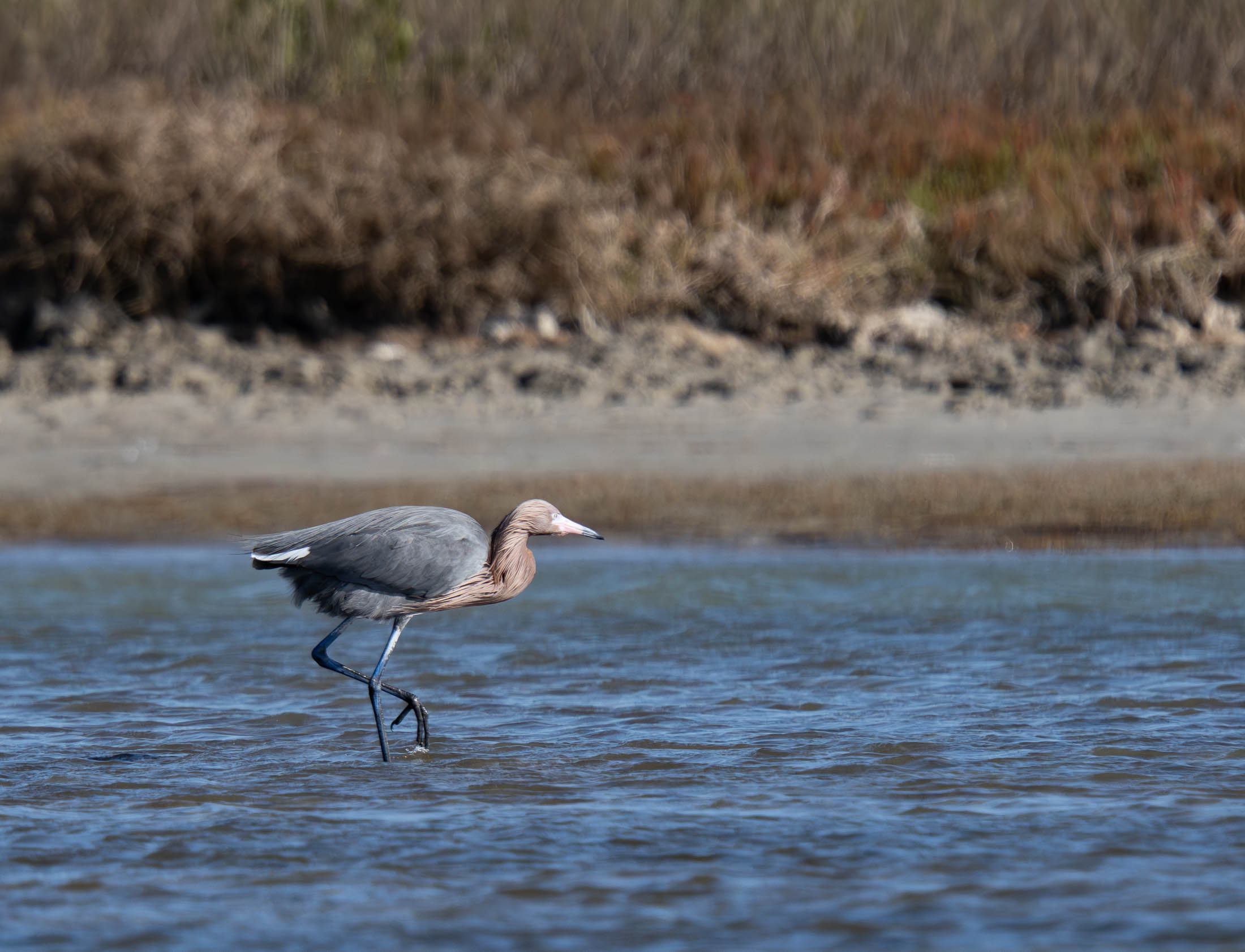
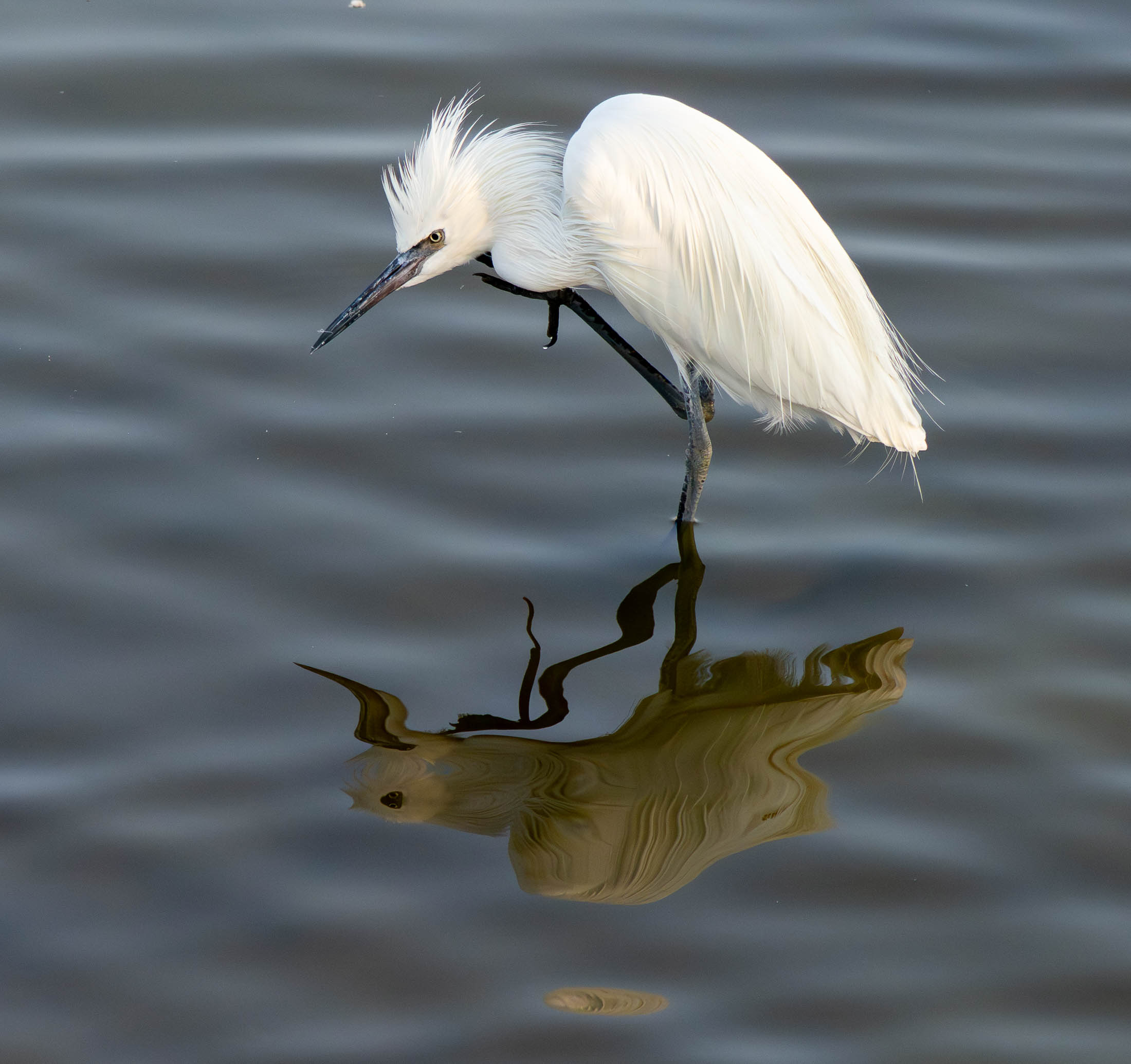
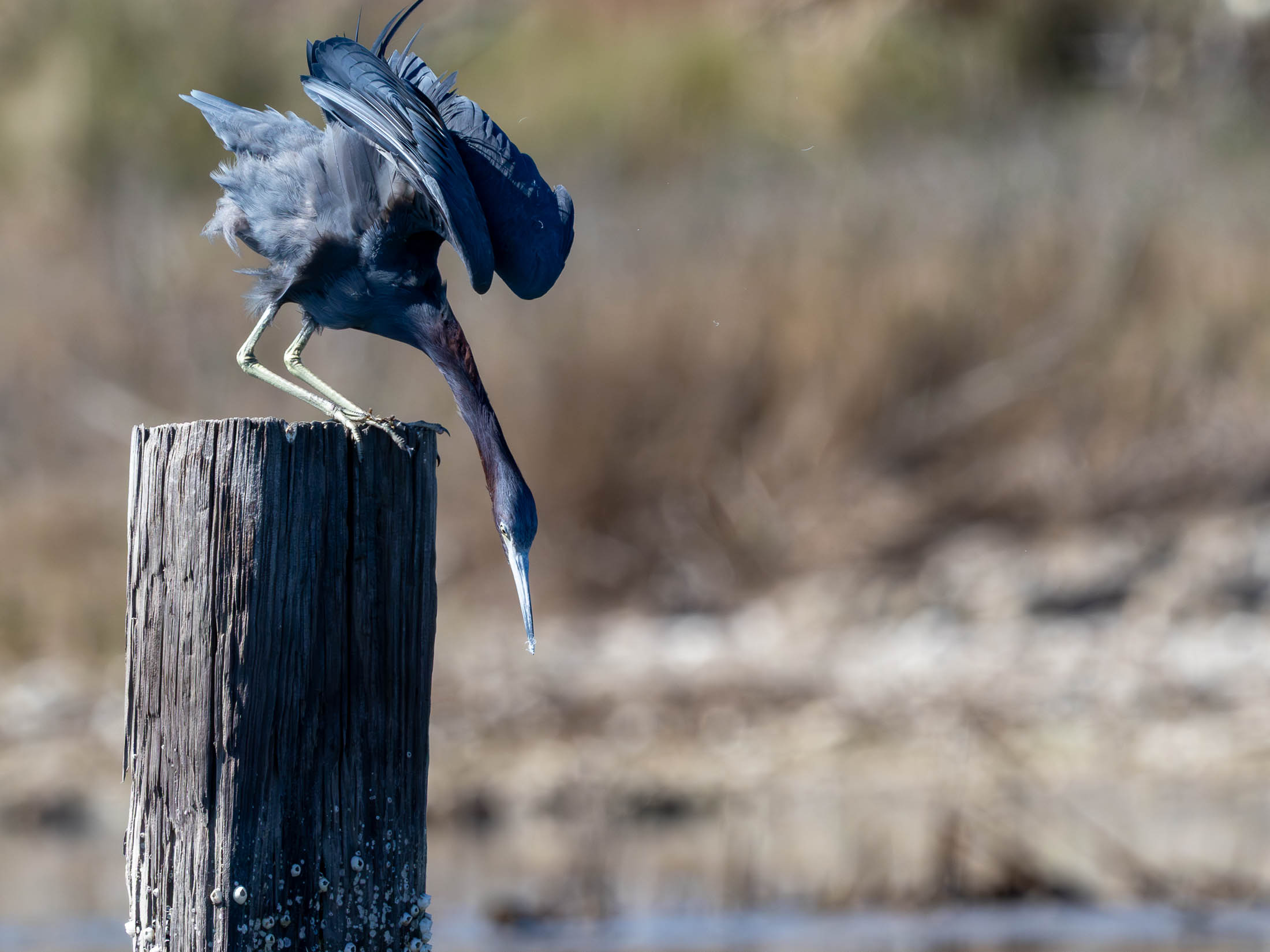
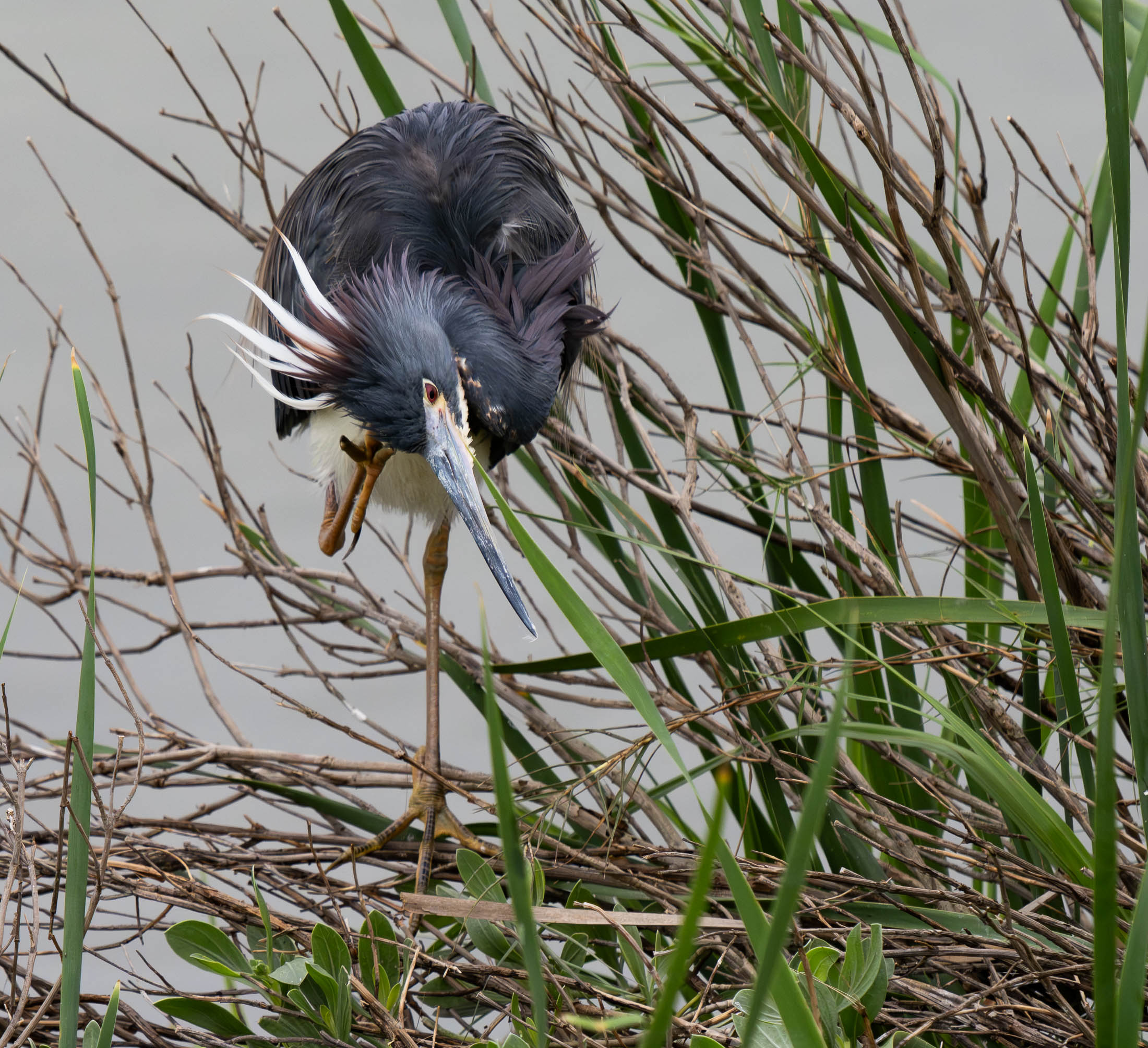
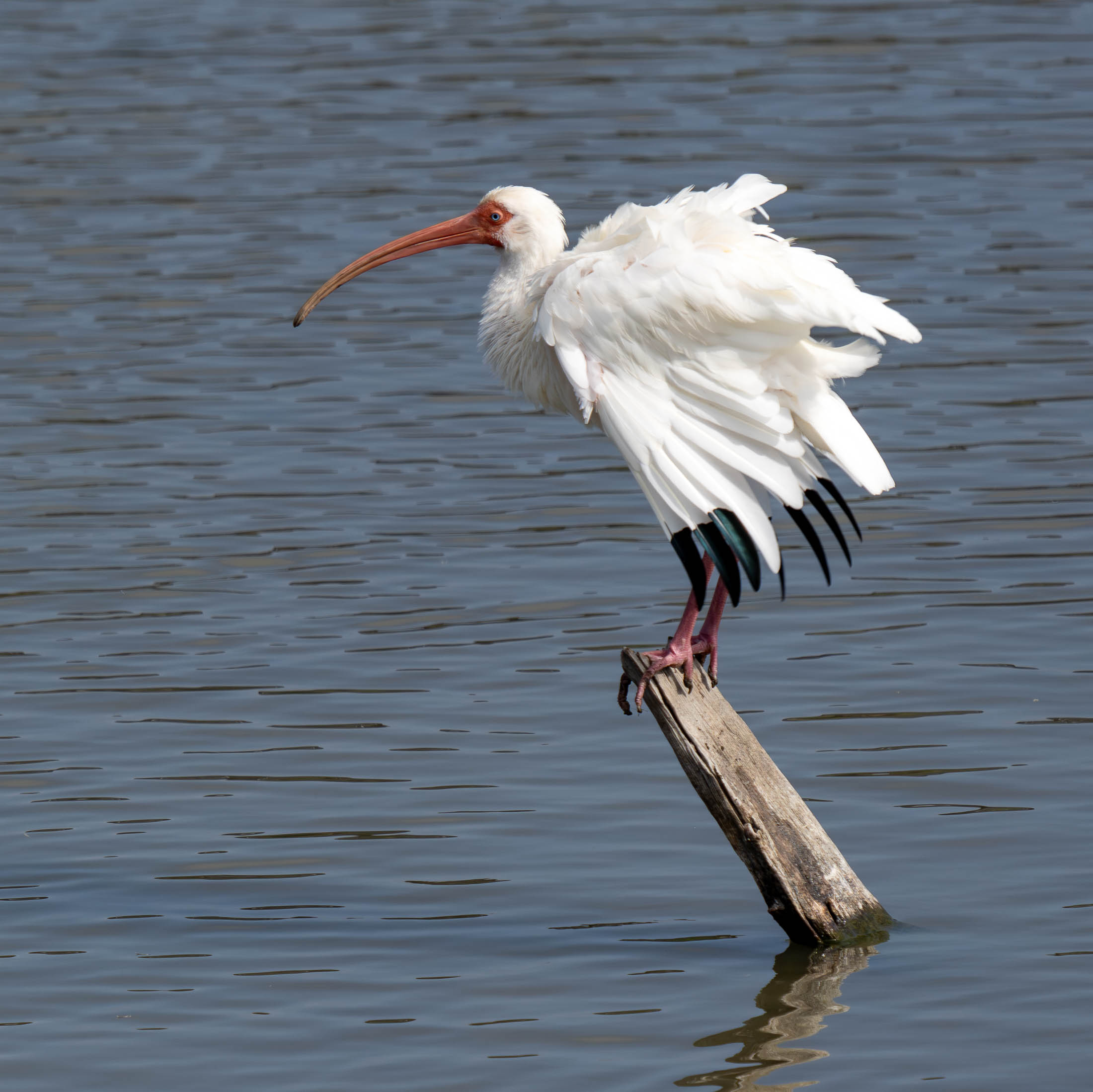
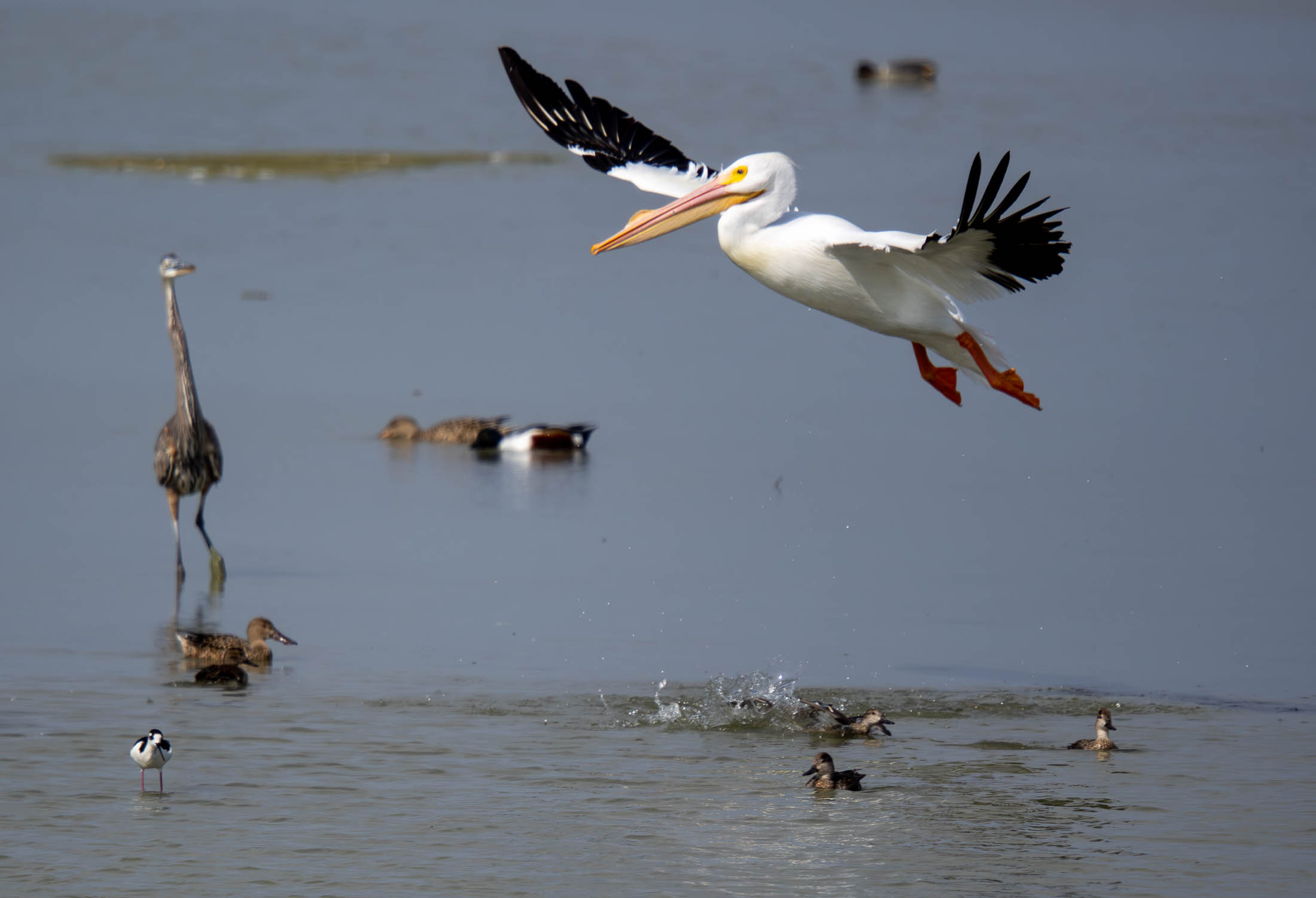
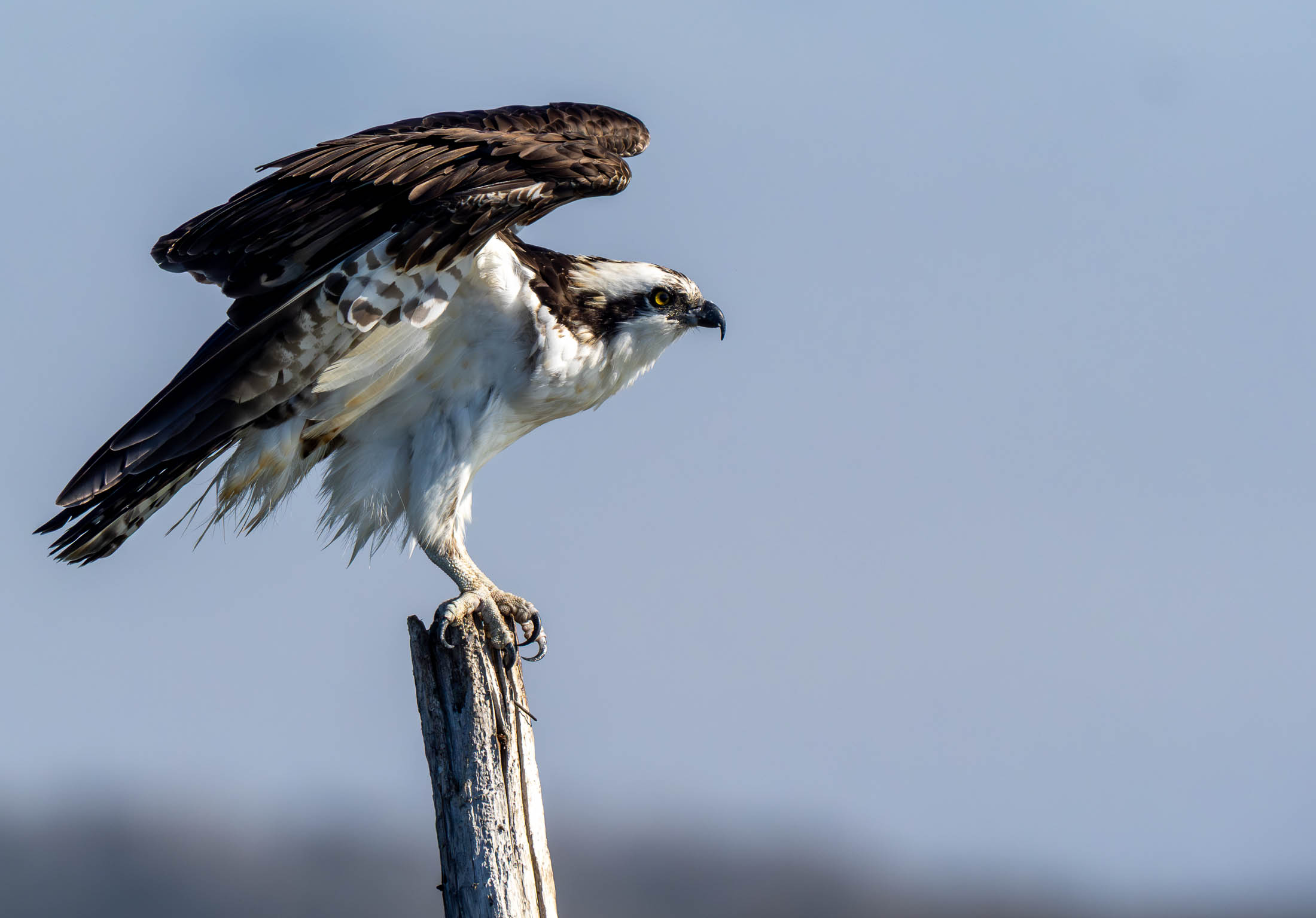
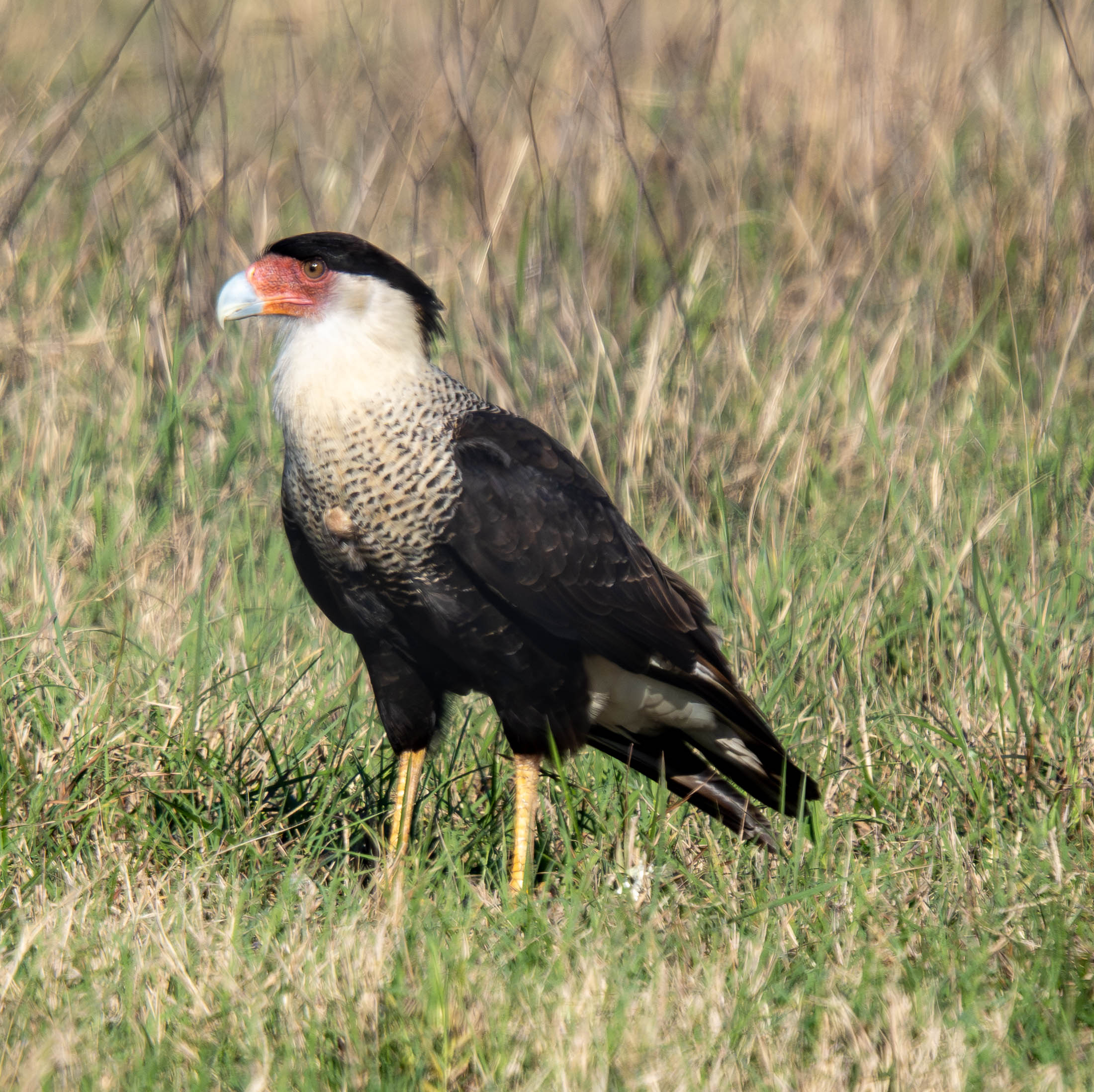
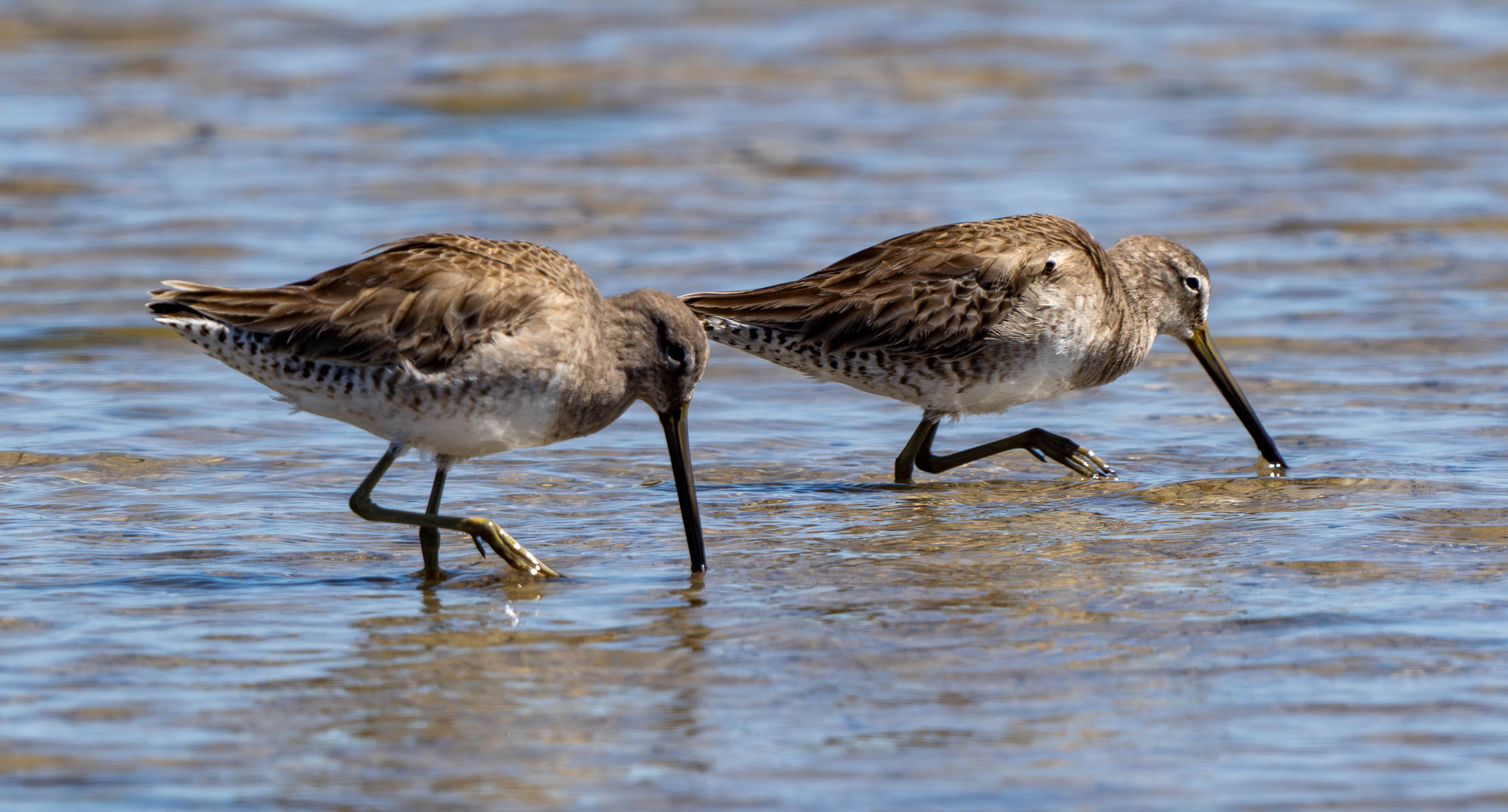
It starts the moment we arrive in early December. The drive between Rockport and Port Aransas alone is worth the trip — egrets and herons standing perfectly still in the shallow flats, ospreys hovering overhead, Crested Caracaras perched on fence posts or parked in a field like they own the place. Then there are the white pelicans. Despite being so large, they are impossibly graceful as they come in for a landing — like watching a 747 touch down in slow motion.
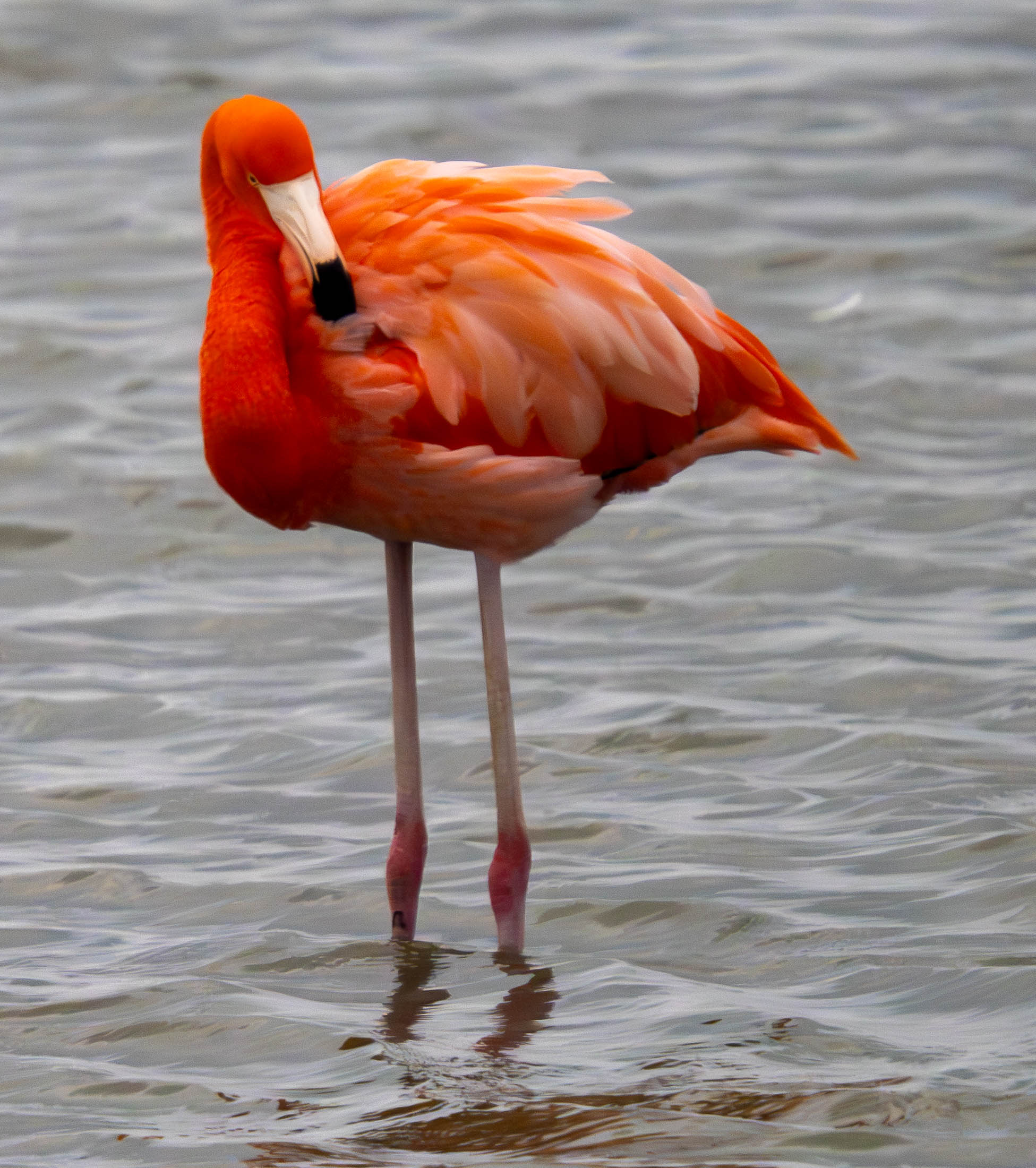
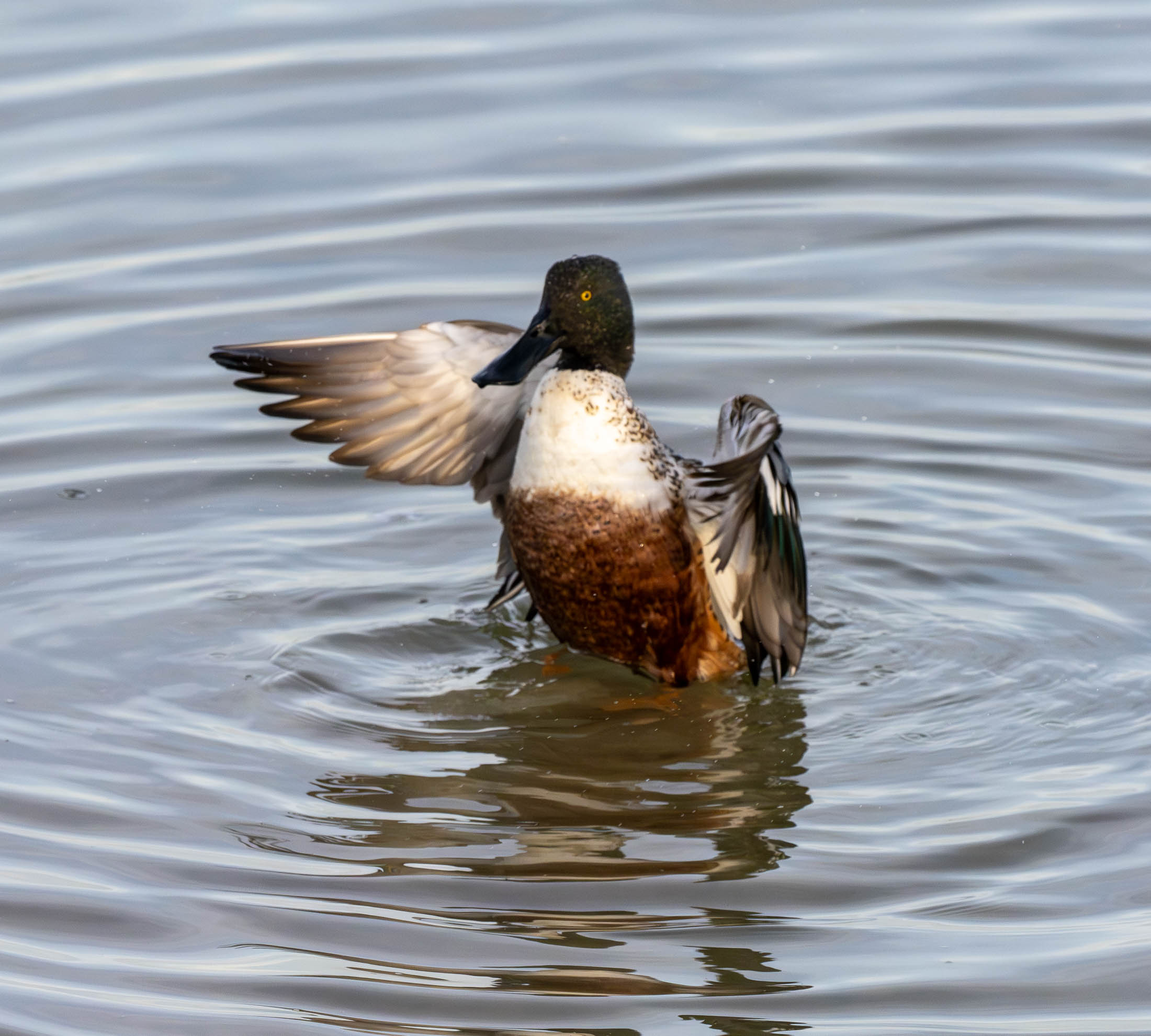
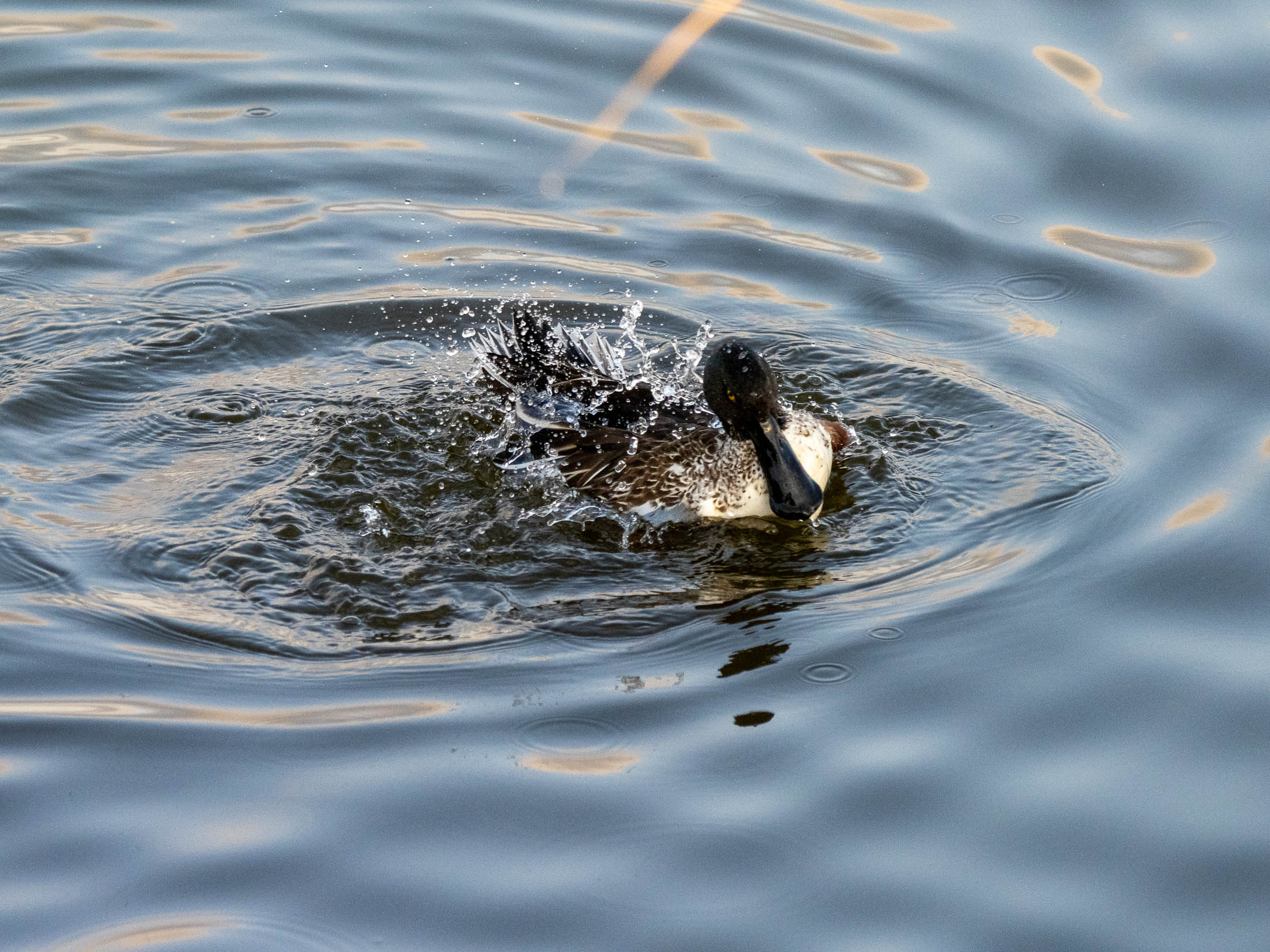
One of my favorite spots is Leonabell Turnbull Birding Center in Port Aransas. The highlight of each visit is a flamingo. A single, wild flamingo that simply showed up one fall a couple of years ago and decided to stay. Nobody sent it an invitation. It just arrived — pink, unbothered, and completely at home among the herons, egrets, pelicans and ducks. This season it stayed longer than usual, right into January. Then one day it was gone.
This year the wind had other plans for me. The experts may disagree, but I’m convinced this was the windiest season in memory. Kayaking the small bays was out of the question, and the island rookeries stayed just out of reach. I didn’t get out as much as I would have liked.
But there are some things the wind can’t stop.
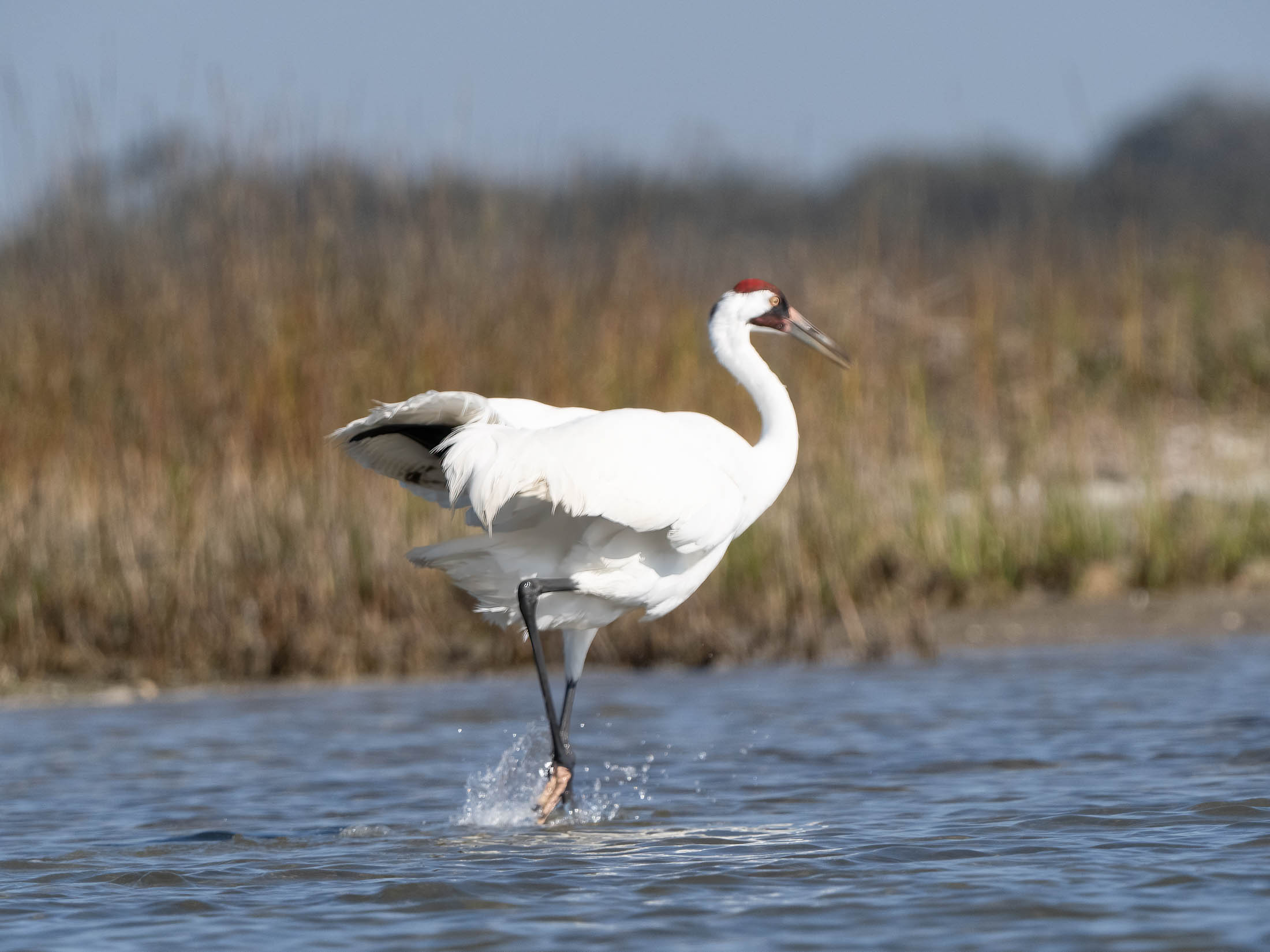
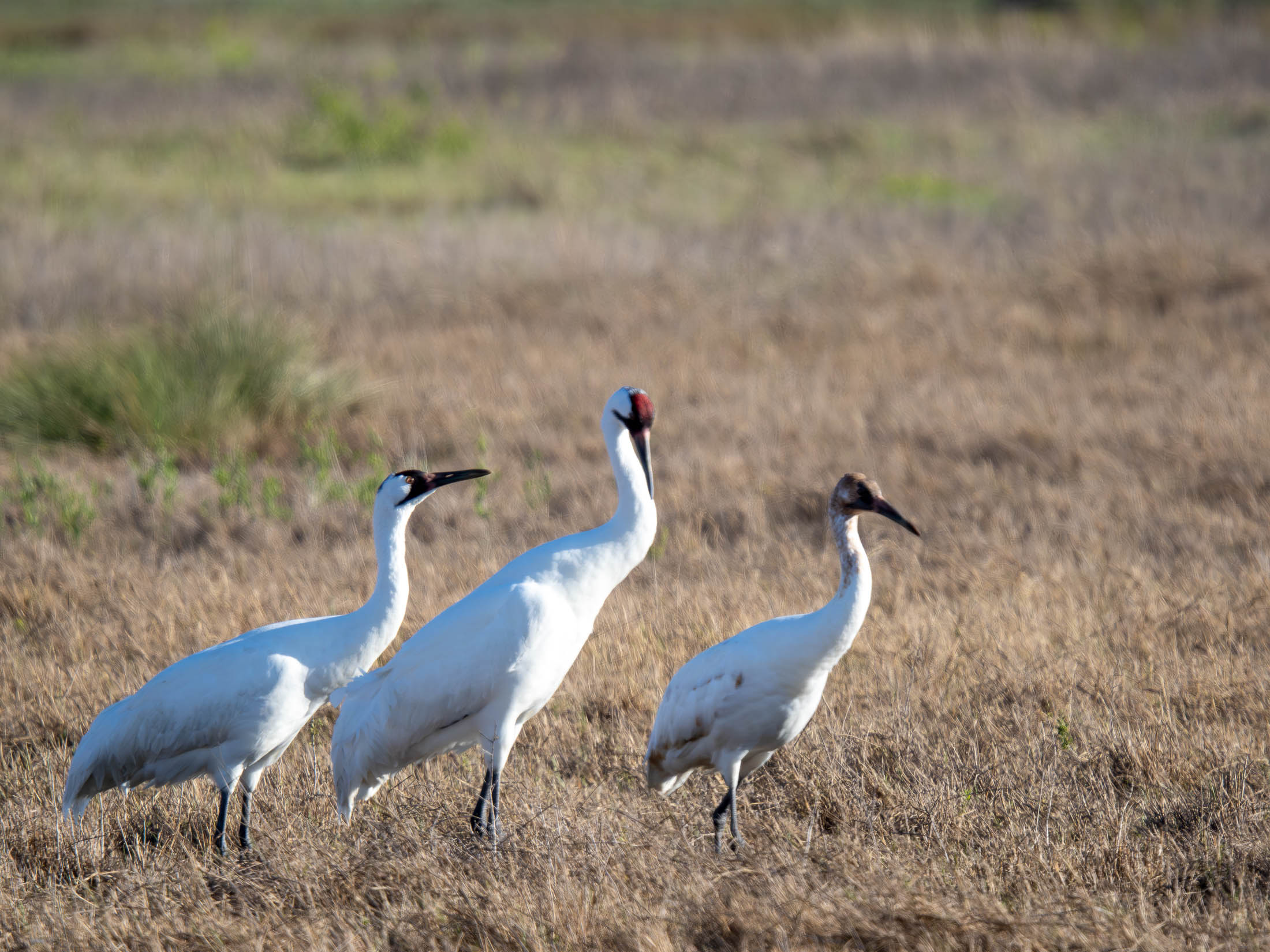
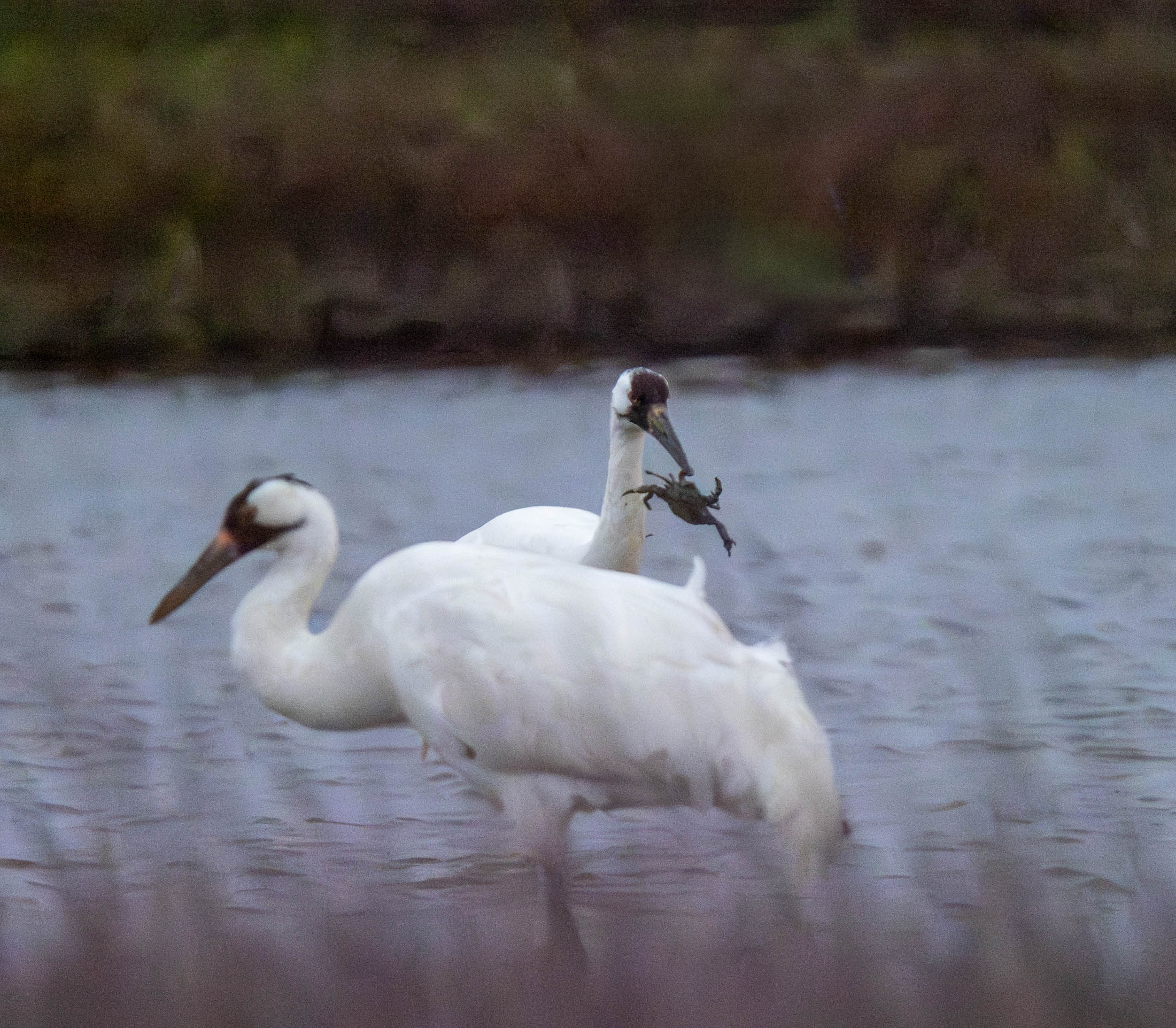
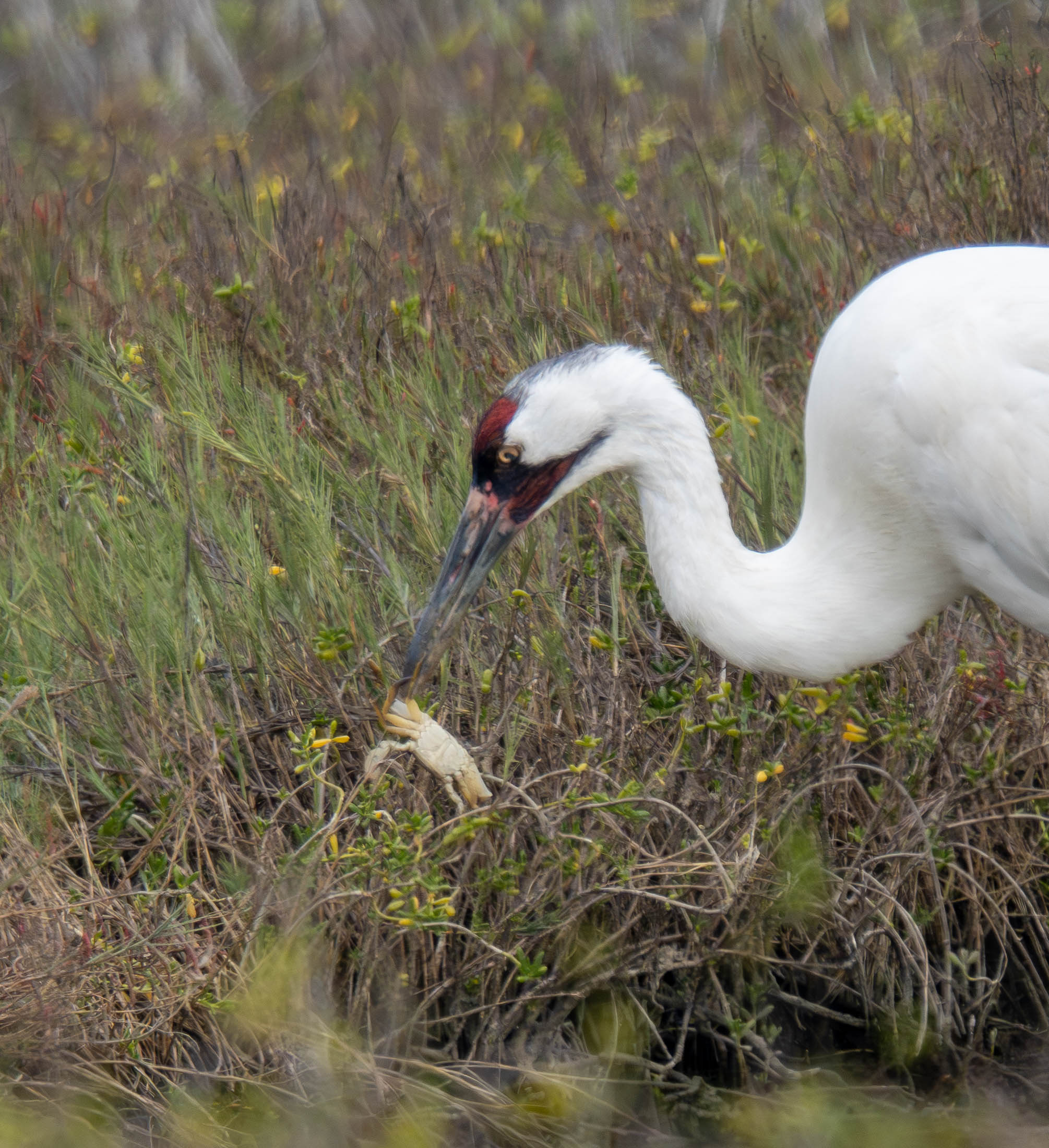
By late December, Whooping Cranes arrive in Lamar. Already paired up, many of them traveling with new colts, leggy, rust-colored babies that stay close to their parents through their first winter. A flock of around thirty typically settle near a pond, tall and white and unmistakable against the coastal landscape. There are 600 Whooping Cranes that settle in this part of Texas, which makes every sighting feel like a privilege. For those wanting to get closer, boat trips up St. Charles Bay offer a remarkable experience — the bay borders Aransas National Wildlife Refuge, and Whooping Crane families gather here in numbers you won’t find anywhere else.
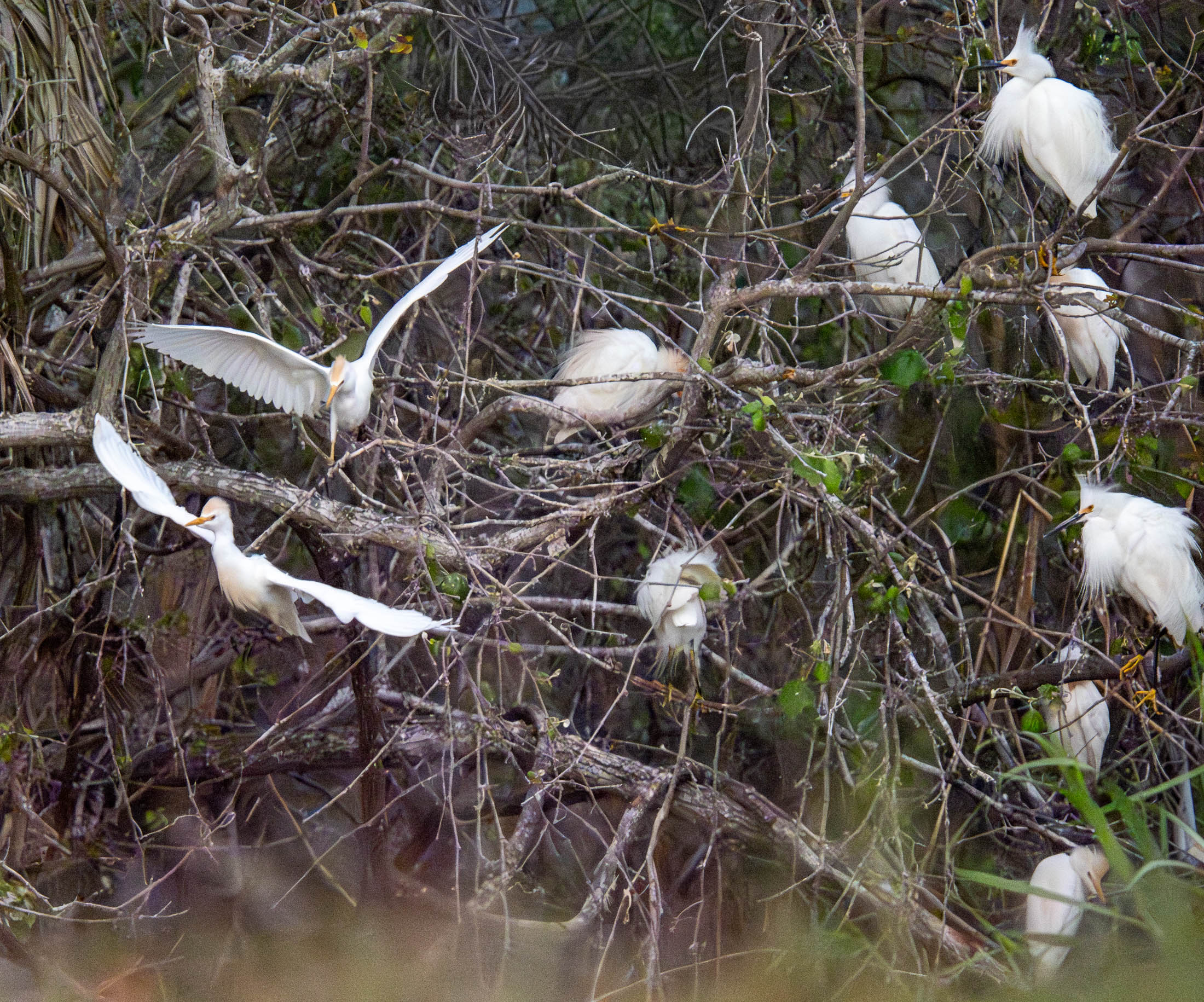
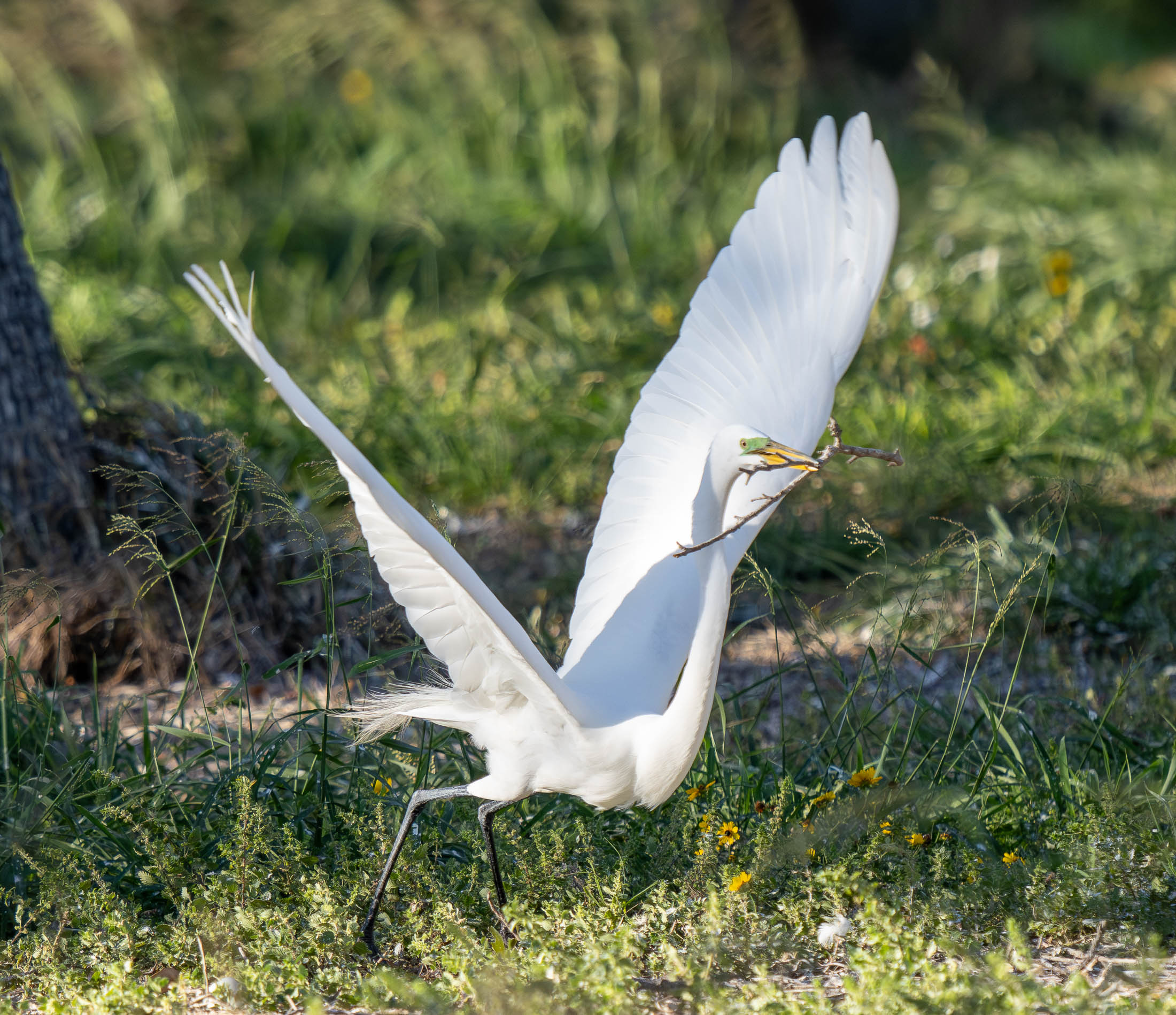
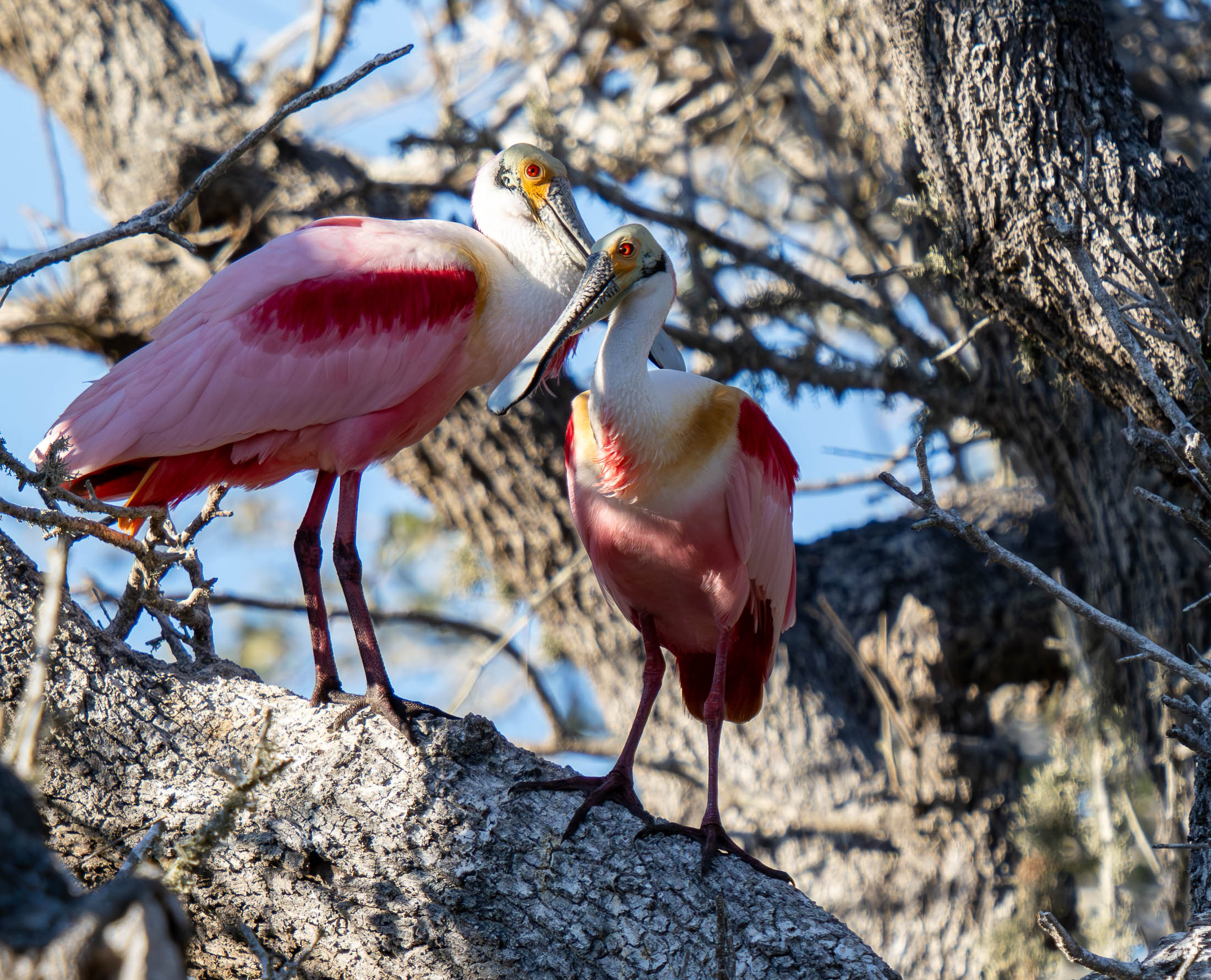
Then comes Bent Oaks Rookery in Rockport. Mating season begins in late January and runs through the end of March — first the herons arrive, then egrets, and this year something special joined them. Roseate Spoonbills. Those impossibly pink birds with their odd, flattened bills — more commonly found working the nearby shallows. This makes their presence at Bent Oaks all the more surprising and special.
And then, two days before we headed home, came the best surprise of the season. On the way back from a farewell dinner, we spotted them — nearly fifty white egrets roosting in a single tree, adults and juveniles together, glowing in the fading light. No plan, no hiking, no early alarm. Just the right moment on the right road.
That’s the Coastal Bend. It saves the best for last.
There is always next year.
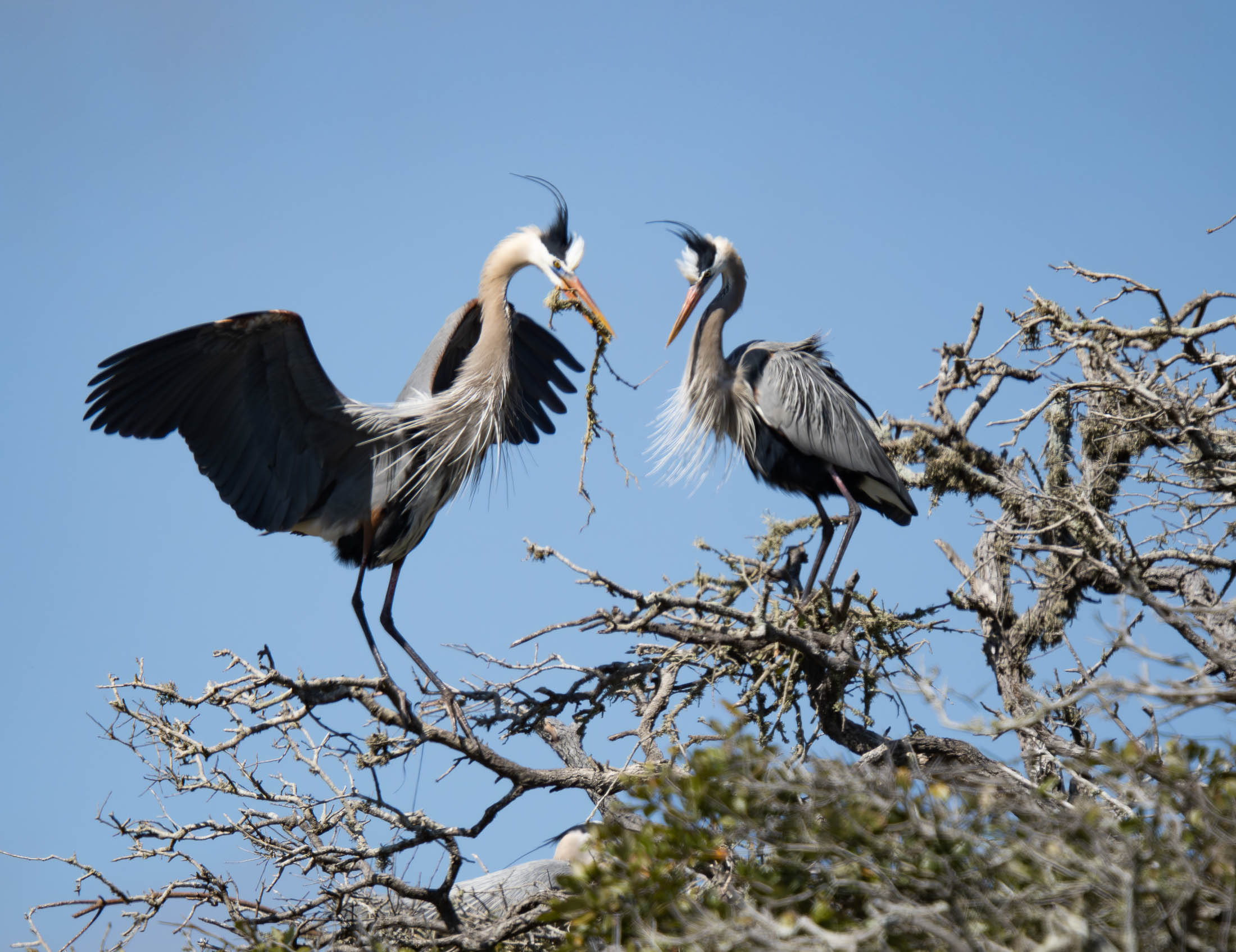
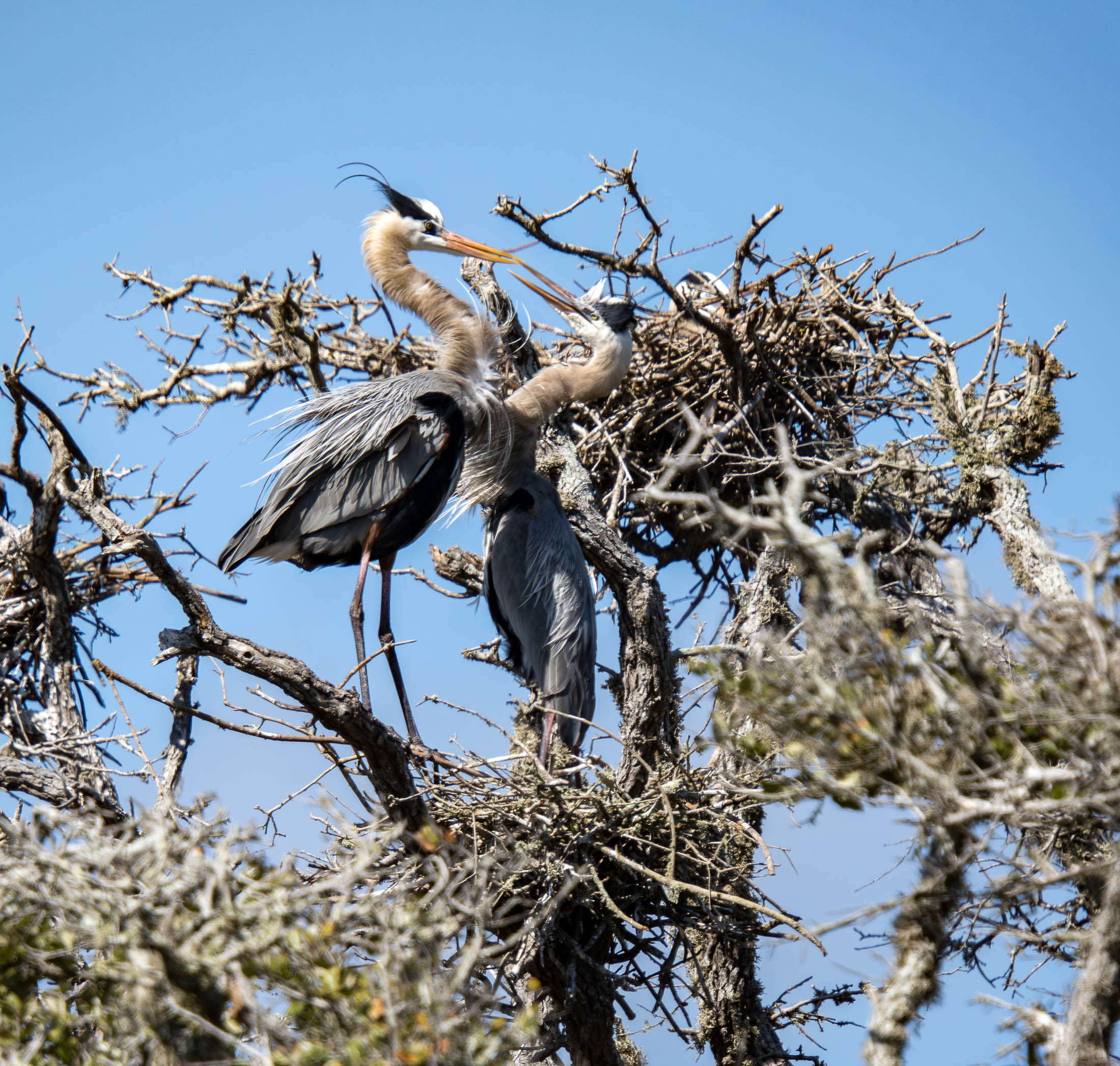
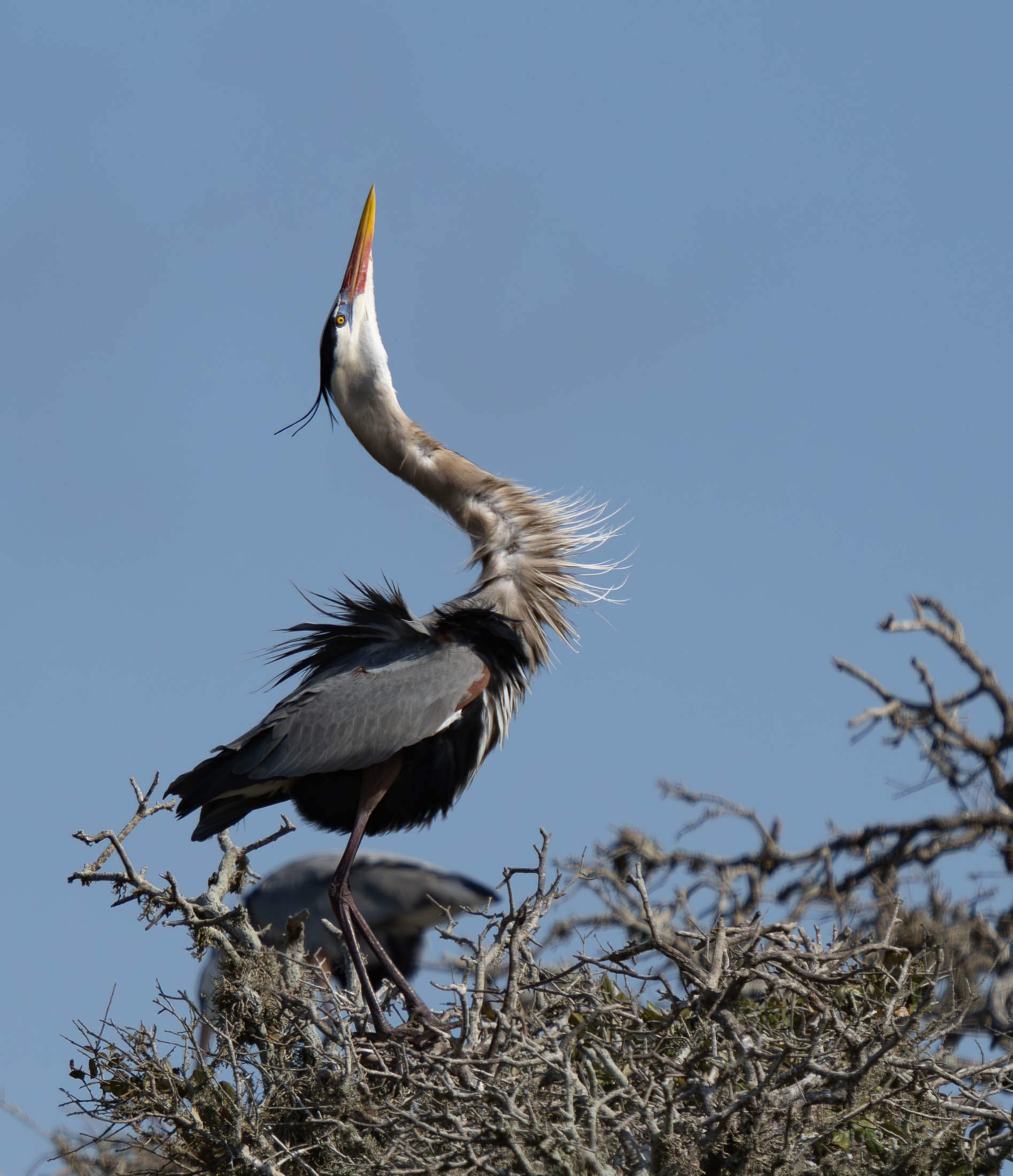
The drive north is almost done. And somewhere on the Texas coast, the herons are still pairing up, the spoonbills are working the shallows, and life goes on without us. Until next December.
Leave a Reply